

Overview
Character and Citizenship Education (CCE)
Our Goals
At Queenstown Primary School, Character and Citizenship Education (CCE) aims to nurture students who are:
-
Persons of good character
-
Resilient and emotionally well
-
Future-ready learners
-
Active and caring citizens
Through meaningful learning experiences and authentic opportunities, we seek to develop confident leaders who contribute positively to their community and society.
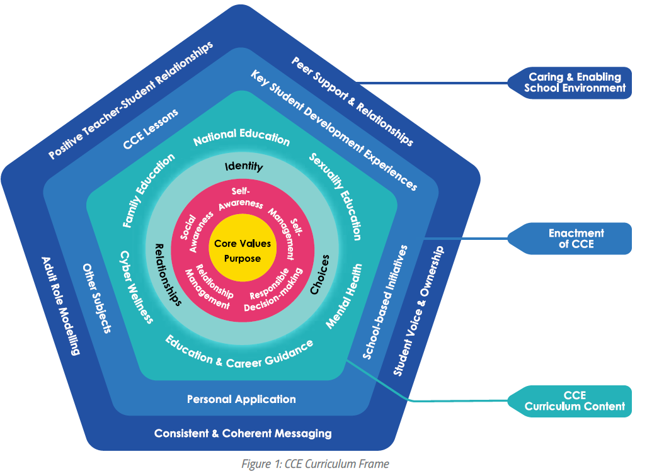
This is achieved through the CCE Curriculum Frame:
Our Approach
Guiding our CCE framework are the school’s GRACE Values and IMPACT Dispositions, which shape our students into future-ready Queenstowners.
GRACE Values
-
Gratitude
-
Resilience
-
Accountability
-
Care
-
Empathy
These values anchor students in strong character and positive relationships.
IMPACT Dispositions
-
Inventive
-
Mindful
-
Proactive
-
Adaptable
-
Collaborative
-
Tenacious
These dispositions equip students with the attitudes and mindsets needed to thrive in an ever-changing world.
Queenstowner Outcomes (QtO)
Over the six years at QtPS, we aspire to nurture every student towards three key Queenstowner Outcomes:
A Confident Leader
A Confident Leader models the way and inspires a shared vision.
A Caring Citizen
A Caring Citizen encourages the heart and contributes positively to the community.
A Change Maker
A Change Maker challenges the process, takes initiative, and enables others to act.
These outcomes guide the holistic development of our students and prepare them to make meaningful contributions in the future.
Key Student Development Experiences
Inculcating GRACE Values
At QtPS, we intentionally create opportunities for students to practise and reflect on the GRACE Values in their daily lives.
Through Values in Action (VIA) activities, classroom experiences, and assembly sharings led by student leaders, students are encouraged to demonstrate gratitude, resilience, accountability, care, and empathy in meaningful ways. Reflection activities in students’ handbooks further deepen their understanding and personal growth.
Mass Birthday Celebration
The Mass Birthday Celebration reflects our school philosophy that “Every Child Matters and Can Accomplish”.
Each month during the pre-assembly period, our Peer Support Leaders lead the school in celebrating students born in that month through birthday songs and well wishes. Friends are also encouraged to celebrate one another in class.
This meaningful initiative helps students feel appreciated, valued, and recognised as important members of the Queenstown family.
Caught Doing Right
“Caught Doing Right” is a school-wide initiative that celebrates positive character and actions demonstrated by our students.
Teachers and students identify peers who display commendable behaviours such as kindness, honesty, responsibility, self-discipline, and positive learning attitudes. These acts are highlighted during morning assembly to affirm and inspire others.
Through this initiative, students learn that success is not only measured by academic achievements, but also by the values and character they demonstrate daily.
Power Mail
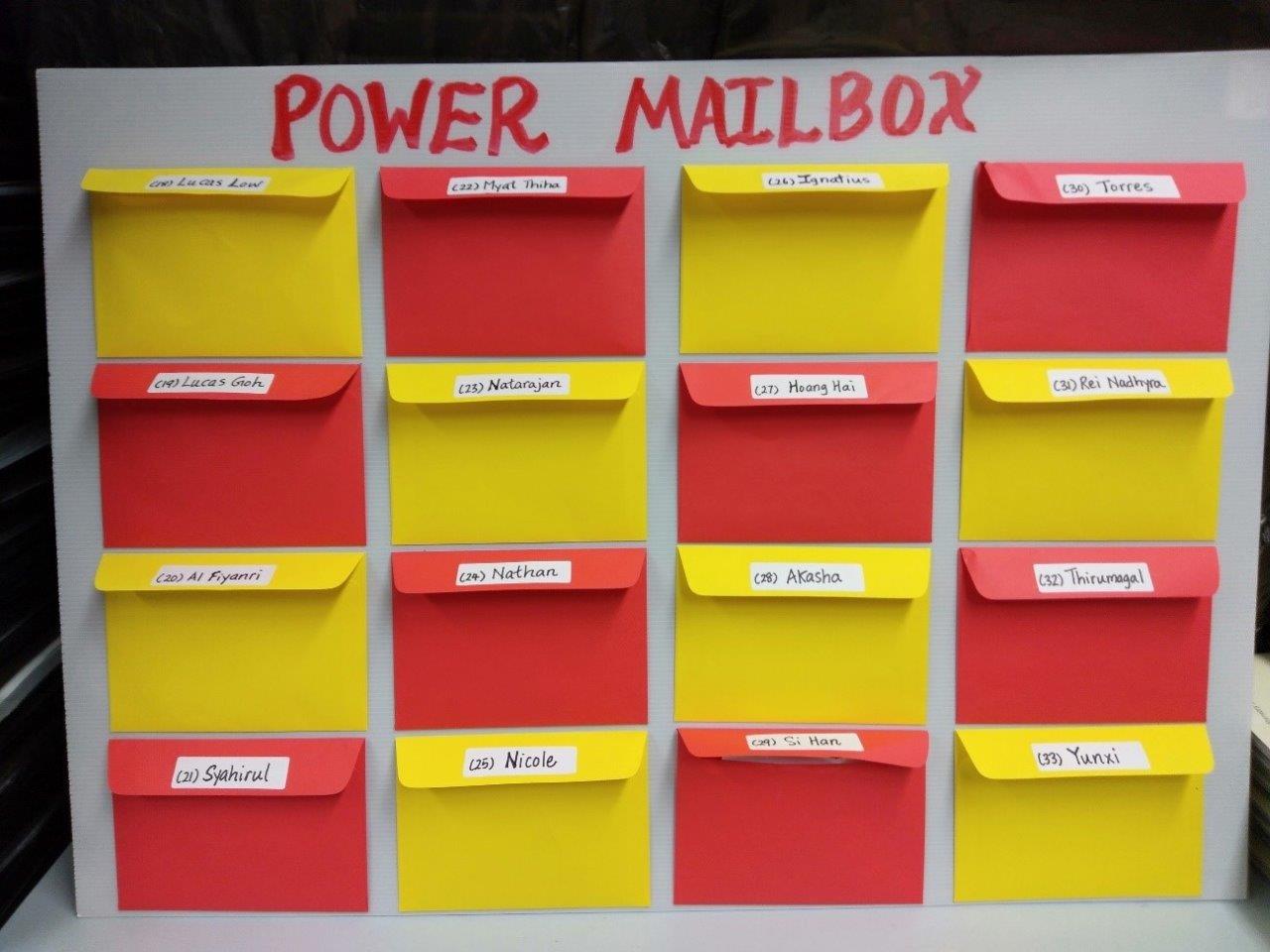
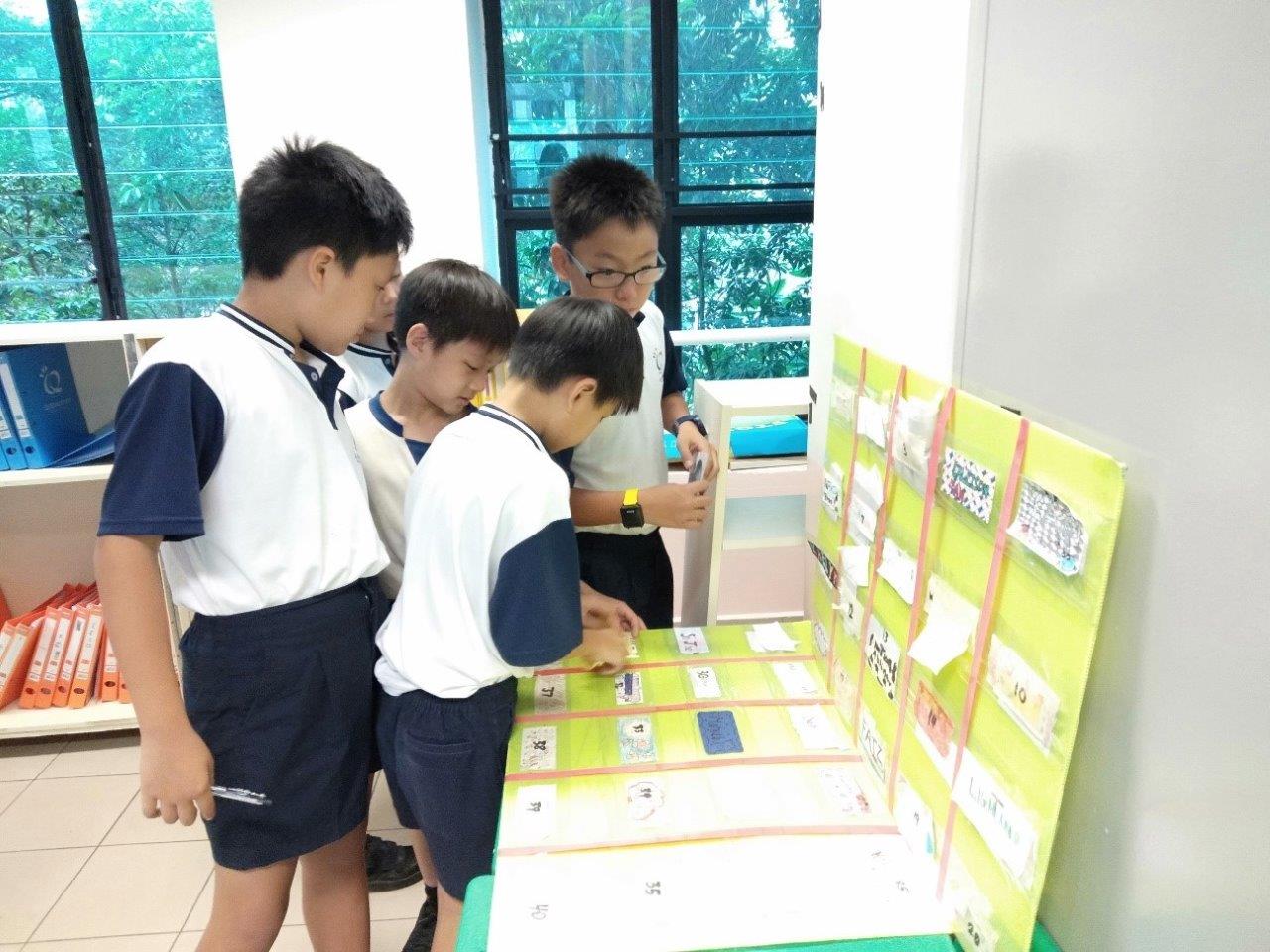
Power Mail is a class-based initiative that promotes encouragement and positive peer relationships.
Each week, students write notes of encouragement and appreciation to their classmates. These notes are placed into a classroom “Power Mail” chart or mailbox, helping to brighten one another’s day.
This simple but meaningful practice strengthens friendships, builds a caring classroom culture, and fosters a sense of belonging among students.
Social Skills Development
At QtPS, we believe that strong social skills are essential in helping students build healthy relationships and work harmoniously with others. These skills are both taught and reinforced through Form Teacher Guidance Period (FTGP) lessons and daily classroom interactions.
Each level focuses on a specific social skill that is explicitly taught and revisited throughout the year.
|
Level |
Social Skill Focus |
|
Primary 1 |
Using Appropriate Voice Levels |
|
Primary 2 |
Dealing with Anger |
|
Primary 3 |
Recognising Others’ Feelings |
|
Primary 4 |
Being an Upstander |
|
Primary 5 |
Expressing Optimism |
|
Primary 6 |
Dealing with Teasing |
Through these experiences, students develop greater self-awareness, empathy, communication skills, and resilience in social situations.